Why Language Development Matters
Language is more than words. It allows children to express needs, share emotions, understand others, and make sense of the world. Strong early language skills are closely linked to later success in literacy, learning, and social relationships.
Children develop language through:
Listening to others speak
Engaging in conversation
Being read to regularly
Hearing language used in everyday routines
Feeling encouraged and understood
Every interaction counts — particularly in the early years, when children’s brains are developing rapidly.
The Role of Babysitters in Language Growth
Professional babysitters are uniquely positioned to support language development because of the quality time they spend with children. In one-on-one care, interactions are more frequent, responsive, and tailored to the child’s developmental stage.
A skilled babysitter understands how to:
Speak clearly and positively
Respond thoughtfully to children’s attempts at communication
Encourage conversation without pressure
Adapt language to suit a child’s age and ability
These responsive interactions help children feel confident to communicate, knowing they are being listened to and valued.
Language Learning Through Everyday Moments
Language development doesn’t require structured lessons. In fact, it flourishes most naturally during everyday activities. A trusted babysitter uses routine moments as opportunities to build language skills, such as:
Talking during play: Describing actions, naming objects, and asking open-ended questions.
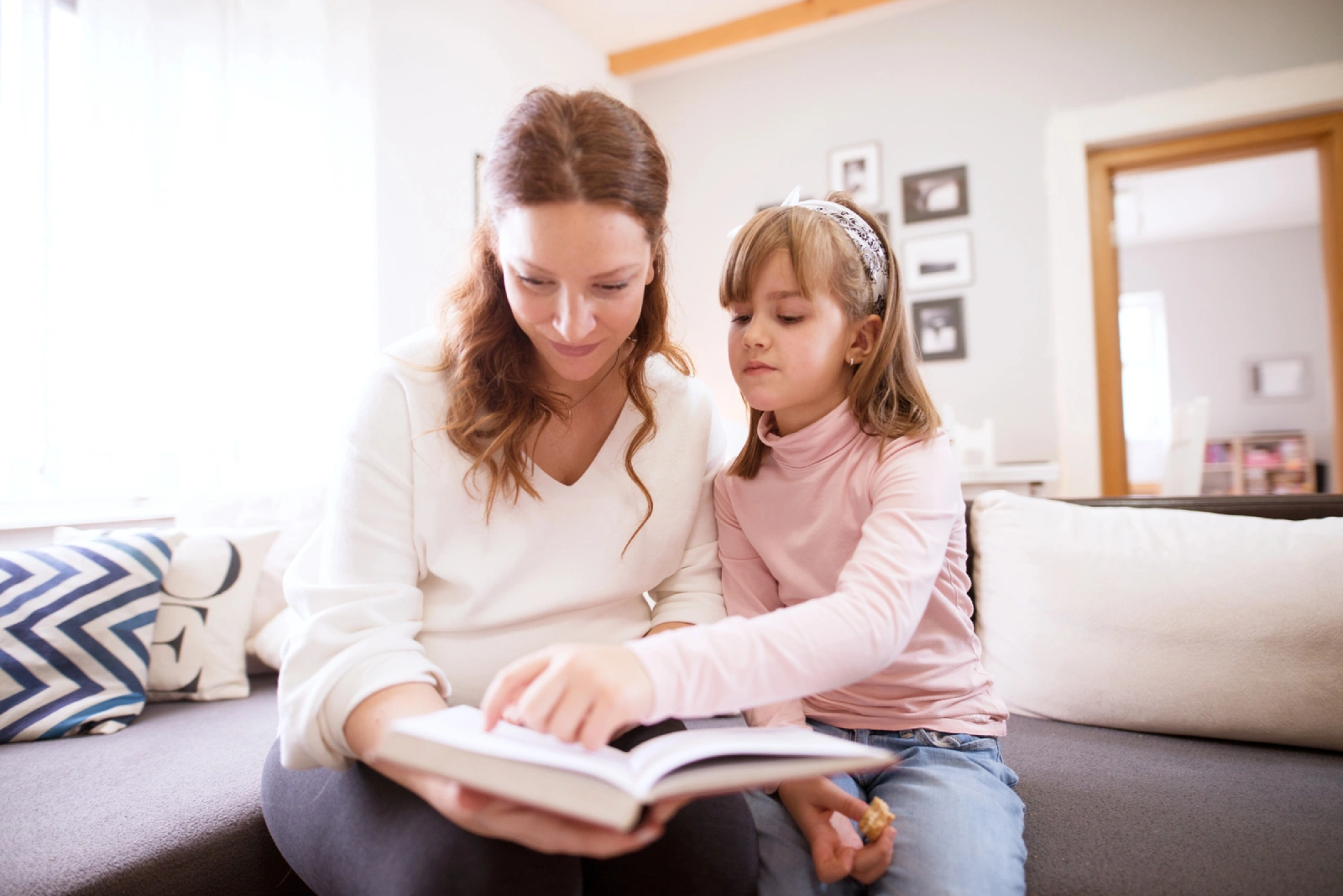
Reading together: Sharing books, discussing pictures, and encouraging children to predict or retell stories.
Mealtimes and routines: Naming foods, discussing textures and tastes, and following familiar routines with language cues.
Emotional conversations: Helping children name feelings and understand emotions.
These interactions are particularly effective when they occur in a calm, familiar environment where the child feels safe and relaxed.
Supporting Different Stages of Language Development
Every child develops language at their own pace. One-on-one babysitting allows care to be tailored to a child’s individual needs, whether they are an early talker, a late bloomer, or learning more than one language.
A professional babysitter supports development by:
Following the child’s lead in conversation
Offering gentle encouragement rather than correction
Repeating and expanding on what a child says
Respecting silence and allowing time to respond
This supportive approach builds confidence and reduces frustration, helping children develop a positive relationship with communication.
The Importance of Emotional Safety
Children are more likely to practise language when they feel emotionally secure. A trusted babysitter creates a nurturing atmosphere where children feel comfortable making mistakes, asking questions, and expressing themselves freely.
This emotional safety is closely linked to attachment and trust. When children feel understood and respected, their willingness to communicate grows naturally.
Safety, Trust, and Legal Responsibilities in Australia
While encouraging language development, babysitters must always operate within appropriate safety and legal boundaries.
In Australia, babysitters and nannies have a duty of care to ensure children are supervised, safe, and protected from harm at all times. Activities that support language development must be age-appropriate and safe, with close supervision where required.
Across Australia — including Queensland and Western Australia — paid caregivers are required to hold a valid Working With Children Check (known as a Blue Card in Queensland). This essential safeguard helps protect children and provides families with confidence and peace of mind.
Professional babysitters should also understand appropriate communication boundaries, using respectful language and supporting family values at all times.
Why Engaging a Trusted Babysitter Matters
Not all childcare experiences are the same. A trusted, professional babysitter understands how to nurture development without pressure, balancing conversation, play, routines, and rest.
Engaging a reputable babysitting service ensures your caregiver has been carefully screened, trained, and selected for both competence and genuine care for children. This is especially important when supporting something as foundational as language development.
At Cherished Cherubs, every babysitter is chosen for their warmth, experience, and ability to connect meaningfully with children. We value caregivers who understand that language grows best through kindness, patience, and genuine interaction.
In-Home Care That Supports Communication
In-home babysitting offers a powerful advantage for language development. Children are surrounded by familiar objects, routines, and experiences, making conversation more natural and meaningful.
Our babysitters take the time to learn each child’s interests, favourite stories, and daily routines, weaving language support seamlessly into care. Whether it’s chatting during imaginative play or sharing a bedtime story, these moments matter.
Supporting Parents with Confidence and Care
For parents, knowing your child’s communication skills are being nurtured while you’re away offers great reassurance. Language-rich babysitting doesn’t just benefit children — it supports families by reinforcing values, routines, and positive interaction styles.
At Cherished Cherubs, we believe babysitting should enrich a child’s world, not simply fill time.
Looking for Language-Rich Babysitting You Can Trust?
If you’re seeking a professional babysitter who understands the importance of communication, connection, and child development, Cherished Cherubs is here to help.
Book a sitter today, to find a trusted babysitter who will support your child’s language development with warmth and care.